
EICR Certificates
in Crawley
Know Your Wiring Is Safe
An Electrical Installation Condition Report tells you exactly what state your wiring is in — and whether it is safe to continue using. For landlords, it is a legal requirement. For homeowners, it is peace of mind that costs less than a single insurance excess.
Hundreds of EICR inspections completed for landlords, homeowners, and estate agents across Surrey and Sussex
12+ Years
Experience
Part P Registered
Registration
Same-Day
Reports
Fully Insured
Coverage
Legal Requirement
Compliance
What Is an EICR?
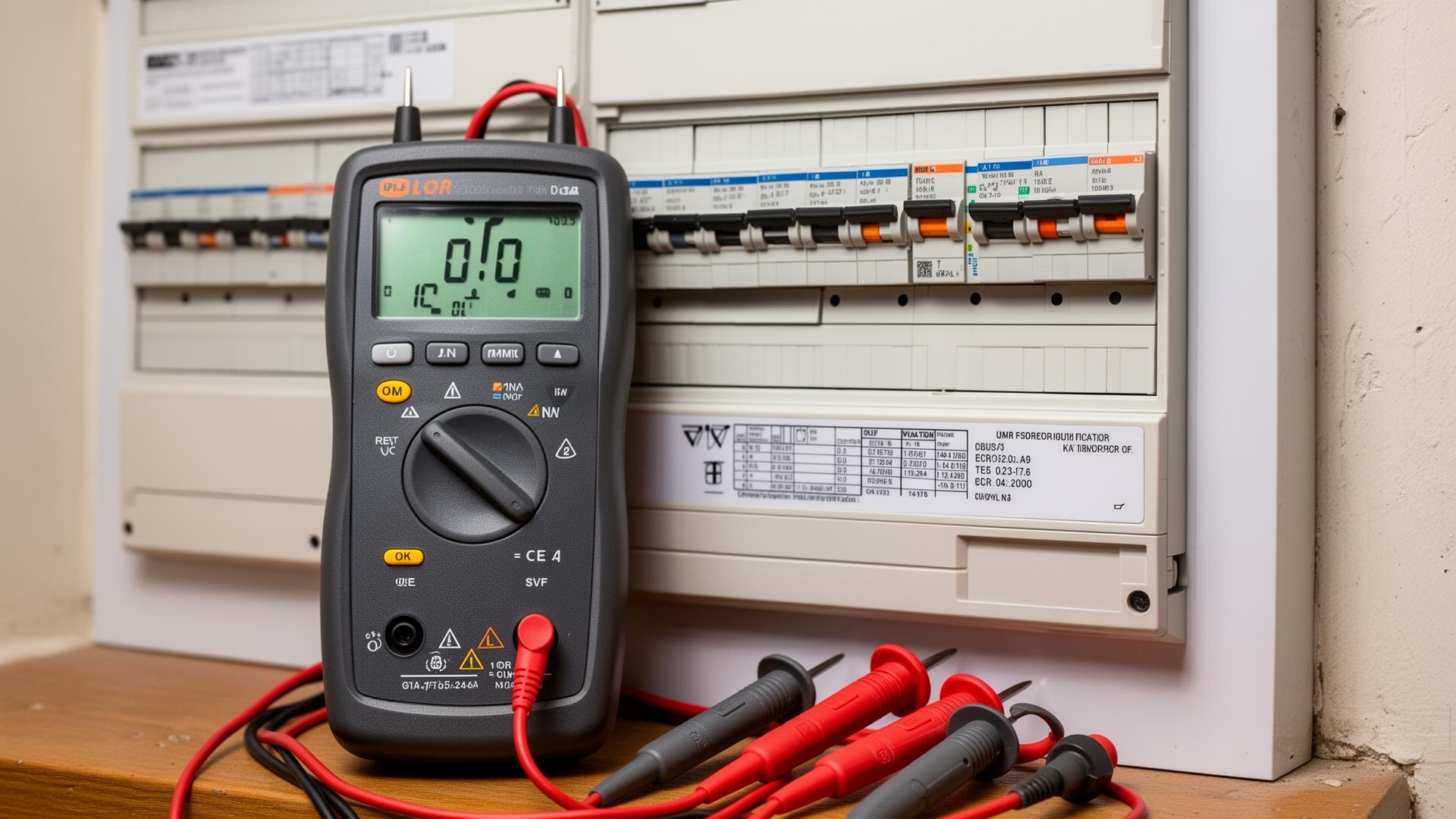
An EICR (Electrical Installation Condition Report) is a formal inspection and test of the fixed electrical installation in a property. It covers everything from the incoming supply to the consumer unit, all circuits, sockets, switches, light fittings, and earthing/bonding arrangements.
The purpose of an EICR is to identify any defects, deterioration, or non-compliances that could present a risk of electric shock or fire. The report classifies observations using a standardised coding system — C1 (danger present), C2 (potentially dangerous), C3 (improvement recommended), and FI (further investigation required).
For landlords in England, an EICR is a legal requirement under the Electrical Safety Standards in the Private Rented Sector (England) Regulations 2020. A valid report must be in place before a new tenancy begins and renewed every 5 years (or sooner if the report recommends it).
Lambourn Electrical Services carries out EICR inspections across Crawley, Horsham, Redhill, Reigate, and the wider Surrey, Sussex, and Kent region. Every inspection is carried out by Liam personally, using calibrated test instruments, and the report is issued on the same day.
What Happens If You Skip an EICR?
For landlords, failing to obtain a valid EICR is a criminal offence. Local authorities can issue fines of up to £30,000 per breach. If a tenant is injured by an electrical fault in a property without a valid report, the landlord faces both criminal prosecution and civil liability.
Beyond legal penalties, operating without an EICR means you have no documented evidence of your installation's condition. If a fire or electric shock incident occurs, investigators will check whether an EICR was in place. Without one, you have no defence that you took reasonable steps to ensure electrical safety.
For homeowners, an EICR is not legally required but is strongly recommended every 10 years (or when buying a property). Many home insurance policies now include clauses requiring evidence that the electrical installation is safe. Without an EICR, a claim could be challenged.
Estate agents and conveyancing solicitors increasingly request EICR reports during property transactions. If your installation is found to have C1 or C2 defects, it can delay a sale, reduce the agreed price, or cause a buyer to withdraw.
How an EICR Inspection Works
Access & Preparation
We need access to the consumer unit, all rooms, loft spaces, and outbuildings. We ask that you ensure access to sockets and switches is not blocked by furniture. The power will be switched off briefly during testing.
Visual Inspection
We inspect every accessible part of the installation — the consumer unit, all sockets, switches, light fittings, cables, and earthing/bonding. We look for signs of damage, deterioration, overheating, and non-compliant installations.
Dead Testing
With the power off, we test insulation resistance, continuity of protective conductors, and polarity of each circuit. These tests identify hidden faults in cabling that visual inspection cannot detect.
Live Testing
With the power restored, we test earth fault loop impedance, prospective fault current, and RCD trip times. These confirm that the protective devices will operate correctly in the event of a fault.
Report & Recommendations
You receive a full EICR report on the same day, with clear classification of any observations. We explain the findings in plain language and provide a quote for any remedial work required.
Benefits of a Professional EICR
Legal Compliance (Landlords)
Meet your obligations under the Electrical Safety Standards in the Private Rented Sector Regulations 2020. Avoid fines of up to £30,000.
Fire & Shock Prevention
Identify hidden faults, degraded insulation, and missing earthing before they cause a fire or electric shock. Prevention costs far less than repair.
Property Sale Readiness
A satisfactory EICR report accelerates property transactions. Buyers and solicitors expect one — having it ready removes a common delay.
Insurance Protection
Many insurers require evidence of electrical safety. A current EICR strengthens your position in the event of a claim.
Early Warning System
An EICR catches deterioration early — before circuits fail, before connections overheat, and before minor issues become major expenses.
Clear Remedial Guidance
If defects are found, you receive clear recommendations and a fixed-price quote for the remedial work. No ambiguity, no pressure.
EICR Classification Codes Explained
EICR observations are classified using a standardised coding system. Understanding these codes helps you interpret your report and make informed decisions about remedial work.
C1 — Danger Present: An immediate risk to anyone using the installation. This requires urgent action. Examples include exposed live conductors, missing protective earthing, and severely damaged consumer units. C1 defects must be addressed immediately.
C2 — Potentially Dangerous: A defect that is not immediately dangerous but could become so. This requires remedial action. Examples include missing RCD protection, inadequate earthing, degraded cable insulation, and overloaded circuits. Landlords are legally required to remediate C2 defects within 28 days.
C3 — Improvement Recommended: The installation does not fully comply with current regulations but is not dangerous. This is an advisory code. Examples include lack of surge protection, older cable colours that are still functional, and accessories that meet previous (but not current) standards. C3 items are not required to be actioned but are worth considering during upgrades.
FI — Further Investigation Required: The inspector has identified something that needs more detailed investigation before it can be classified. This might involve opening a concealed junction box, lifting floorboards to inspect wiring routes, or testing a circuit that was not accessible during the inspection.
A satisfactory EICR has no C1 or C2 observations. If C1 or C2 defects are found, the overall result is unsatisfactory, and remedial work is required. For rented properties, the landlord must complete the remedial work and obtain a satisfactory report within 28 days.
The inspection covers all fixed wiring from the meter to the final accessories. It does not cover appliances (which are tested separately under PAT testing), solar PV systems (which require specialist inspection), or wiring in common areas of flats (which is the freeholder's responsibility).
We use calibrated Megger multifunction test instruments that are annually PAT tested and calibrated. Test results are recorded on the EICR schedule to BS 7671 standards, providing a complete technical record of your installation's condition.
Frequently Asked Questions
Need an Electrician Today?
Get a fast, honest quote with no obligation. Available 24/7 for emergencies.